
Category: design
-
Chapter 1 of Book Available

Chapter 1 for the Improvising Design book has been uploaded. The first chapter discusses why we need better models and methods for design … and why design is improvisational. Doubtless, stuff will be shifted around a little, as I complete my write-up of research findings chapters. But this is a good introduction to why we
-
Design as Bricolage.
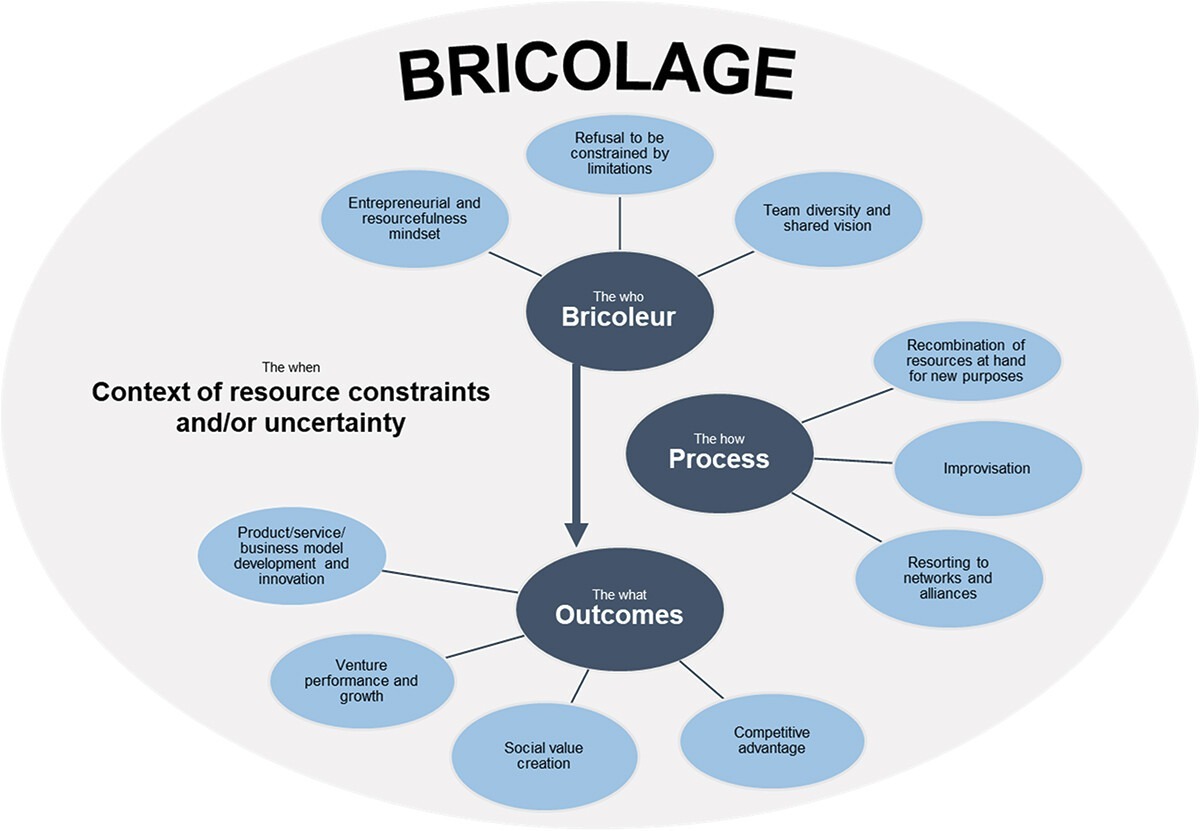
The core problem of design is to use a problem-representation that can allow people to communicate the structures in their “mental jigsaw picture” to others.
-
Design as the Serendipity of Location

As I ruminate on design processes, I can’t help but reflect on the similarities between research methods, processes and outcomes, and design methods, processes and outcomes. I read an article which argued that there were two types of people: people with tidy offices and people with untidy offices1. Tidy-office people are organized and so can
-
Double Loop Learning in Design
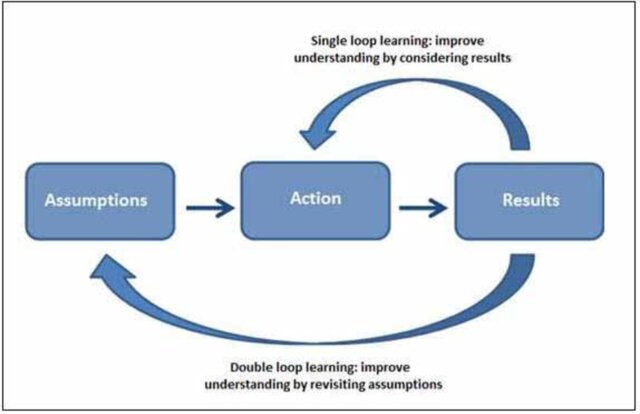
Double-loop learning occurs when we question the values, assumptions and recipes-for-success that we typically apply to a situation. This type of paradigm-shift is essential when the business environment, or the context of work changes.Typically, we learn how to do something well and we keep on applying that recipe-for-success. It is called expertise. We are proud
-
Why The IKEA Font Matters

People have been commenting on the change of font used by IKEA for their catalogs since August, when the new catalog came out. IKEA had used the Futura font for 50 years, but made the decision to adopt Microsoft’s Verdana font this year. Apparently, because it translates well to numerous languages. Take a look at
-
Design as a trajectory of goal-definitions
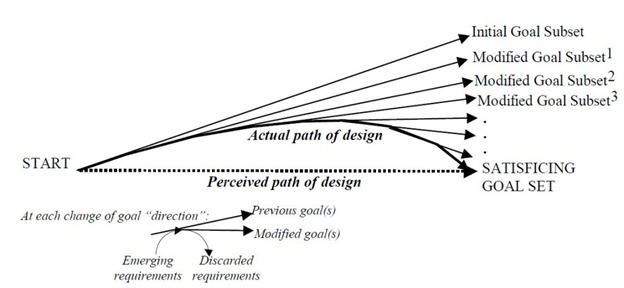
The focus of IS design has moved “upstream” of the waterfall model, from technical design to the co-design of business-processes and IT systems. This focus requires an improvisational design approach. IT-related organizational innovation deals with wicked problems. Wicked problems tend to span functional and organizational boundaries as business process and information management problems are intertwined.
-
Book Contents Now Available
Here is the Table of Contents for the my in-progress book: Title: Boundary-Spanning Design: How Information Systems Evolve Through Improvisation Contents (liable to change as book evolves) Chapter 1. THE DESIGN PROBLEM Chapter 2. DESIGN AS IMPROVISATION Chapter 3. DESIGN AS PROBLEM-SOLVING Chapter 4. DESIGN AS SENSITIZATION TO PATTERNS Chapter 5. SITUATED DESIGN Chapter 6. BREAKDOWNS